
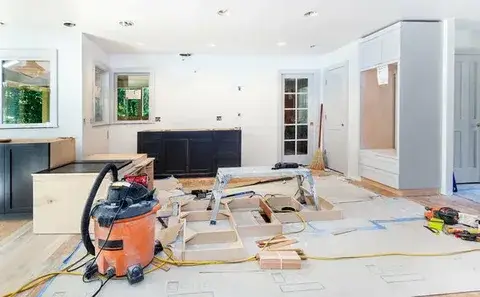
Choosing the right contractor for your house remodeling project is crucial to ensuring the work is done efficiently, on budget, and with high-quality results. A skilled and reliable contractor can make a huge difference in the overall success of your renovation. However, with so many contractors available, it can be overwhelming to find the right one for the job. In this guide, we’ll walk you through the steps to help you select the best contractor for your home remodeling project.
1. Define Your Remodeling Project
Understand Your Needs
Before you begin searching for a contractor, take time to fully understand your project. What specific changes do you want to make? Are you renovating a kitchen, bathroom, basement, or adding a room? Define the scope of the project, including your design ideas, budget, and timeline.
Create a Vision
Having a clear vision of the remodeling project helps both you and the contractor. Create sketches, gather inspiration, and list out your priorities. This will serve as a guide to communicate your expectations clearly with potential contractors.
2. Research Potential Contractors
Ask for Recommendations
Start by asking friends, family, neighbors, or colleagues for recommendations. Personal referrals are often the best way to find reliable contractors who have a proven track record. You can also check online review sites like Google, Yelp, or Angie’s List for additional suggestions and feedback.
Look for Specialization
Not all contractors specialize in the same areas. Make sure the contractors you are considering have experience with the type of remodeling project you’re undertaking. Some contractors may specialize in kitchens, bathrooms, or general home improvements, while others may focus on larger additions or structural work.
Check Credentials and Licensing
It’s essential that the contractor you hire is properly licensed and insured. Licensing requirements vary by state or country, but a reputable contractor will always have the proper certifications. Insurance is also necessary to protect you from liability in case of accidents during the project.
3. Review Previous Work and References
Look at Their Portfolio
A professional contractor should have a portfolio of previous projects that they can share with you. Review their portfolio to get a sense of their work quality, style, and expertise. If possible, visit homes they’ve remodeled to see the work in person.
Ask for References
A good contractor should be willing to provide references from past clients. Contact these references to ask about their experience working with the contractor. Inquire about the quality of the work, adherence to the timeline, and how the contractor handled any issues that arose during the project.
4. Interview Multiple Contractors
Ask the Right Questions
Interview at least three contractors before making your decision. Prepare a list of questions to ask during the interview, such as:
- How long have you been in business?
- Do you have experience with this type of remodeling project?
- Can you provide a detailed estimate and timeline?
- Will you be working with subcontractors? If so, who are they?
- What is your payment schedule?
- Do you offer a warranty for your work?
Communication and Rapport
Pay attention to how the contractor communicates with you during the interview. Are they listening to your ideas? Are they offering helpful suggestions? Good communication and a positive working relationship are essential to a successful remodeling project.
5. Get Detailed Estimates and Contracts
Compare Quotes
Request written estimates from each contractor you interview. The estimates should include a breakdown of costs for materials, labor, permits, and other associated expenses. Be cautious of estimates that are significantly lower than others, as they may indicate hidden costs or subpar materials.
Review the Contract
Once you’ve selected a contractor, ensure that the terms of the project are outlined in a detailed written contract. The contract should include:
- A clear description of the work to be done
- A detailed payment schedule
- Project timelines and deadlines
- Warranty details
- Permits and inspections (if needed)
Ensure that you are comfortable with the terms of the contract before signing it.
6. Check for Proper Insurance and Bonding
Insurance Coverage
Make sure the contractor has liability insurance and worker’s compensation coverage. This protects you in case of accidents or property damage during the project. If the contractor doesn’t have proper insurance, you could be liable for any accidents that occur on your property.
Bonding
Contractors should also be bonded. Bonding ensures that the contractor will complete the job according to the terms of the contract. If the contractor fails to deliver on their promises, you may be able to recover the costs through the bond.
7. Set Clear Expectations
Set a Realistic Budget
Be clear about your budget from the start and communicate it to your contractor. Make sure that the estimate provided aligns with your budget, and be prepared for any potential changes or unforeseen costs during the project. A good contractor will work with you to stay within your budget while delivering quality work.
Establish a Timeline
Agree on a timeline with the contractor, including key milestones and deadlines. Ensure that you both understand and agree on the project completion date. Keep in mind that delays may occur, but clear communication can help minimize disruptions.
8. Stay Involved Throughout the Process
Monitor Progress
Even though you’ve hired a contractor to handle the work, it’s important to stay involved throughout the process. Regularly check the progress and quality of the work. If you notice any issues or deviations from the plan, address them immediately with the contractor.
Communication is Key
Maintain open lines of communication with the contractor during the entire project. Schedule regular check-ins or progress meetings to stay updated on the work. If problems arise, discuss them promptly to avoid misunderstandings.
Conclusion
Choosing the right contractor for your house remodeling project can make all the difference in the outcome of the renovation. By doing your research, interviewing multiple contractors, and ensuring clear communication throughout the process, you can avoid common pitfalls and achieve a successful remodel. Take your time, ask the right questions, and trust your instincts when selecting a contractor. With the right professional by your side, your home remodeling project can be an exciting and rewarding experience.
FAQs
1. How do I know if a contractor is reputable?
Look for a contractor who has positive references, reviews, and a history of successful projects. Verify their credentials and licensing, and ensure they have proper insurance coverage. A reputable contractor will be transparent, communicative, and reliable.
2. Should I hire a general contractor or a specialized one?
It depends on the scope of your remodeling project. A general contractor is ideal for larger projects that require coordination with multiple subcontractors, while a specialized contractor may be better suited for specific tasks like plumbing, electrical, or kitchen remodeling.
3. How do I avoid remodeling scams?
To avoid scams, make sure the contractor is licensed, insured, and bonded. Get written estimates and a detailed contract. Never pay the full amount upfront, and be cautious of contractors who demand large down payments or request payment in cash.
4. Can I negotiate the price with my contractor?
Yes, you can negotiate the price, but it’s important to be realistic. Discuss your budget with the contractor and see if there are ways to reduce costs without compromising the quality of the work.
5. What should I do if something goes wrong during the project?
If something goes wrong during the project, communicate with your contractor immediately. Address any issues as soon as possible to avoid delays or miscommunications. If necessary, refer to the terms outlined in the contract to resolve the matter.