
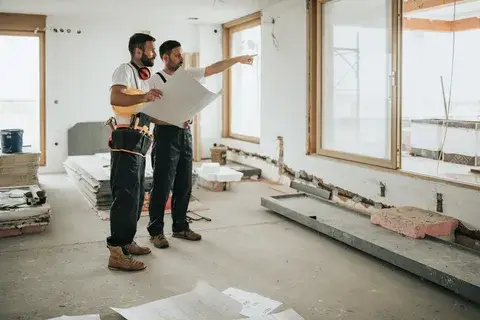
Homeownership often comes with the desire to upgrade and improve living spaces. Over time, homes can begin to show their age, whether it’s outdated décor, inefficient layouts, or a lack of functionality. A whole house remodeling project is a transformative option that can bring new life into your home. Not only does it enhance aesthetics and functionality, but it can also increase your property value significantly. In this article, we’ll explore how whole house remodeling can completely transform your living space and why it may be the right choice for you.
What Is Whole House Remodeling?
Whole house remodeling refers to the process of renovating or upgrading multiple rooms or the entire house to improve its overall look, feel, and functionality. It often involves substantial changes like reconfiguring floor plans, updating electrical and plumbing systems, and installing new features such as energy-efficient appliances or sustainable materials. Unlike smaller renovation projects that focus on specific rooms or areas, whole house remodeling addresses the entire home and is typically a more extensive and costly undertaking.
Why Consider Whole House Remodeling?
There are several reasons why homeowners decide to undertake whole house remodeling projects. Whether you’re looking to modernize an older home, increase its value, or make it more energy-efficient, a comprehensive renovation offers the chance to create a home that better suits your lifestyle.
Here are a few of the key benefits:
1. Personalization and Customization
One of the greatest benefits of whole house remodeling is the ability to create a home that reflects your personal taste and lifestyle. From selecting flooring and cabinetry to choosing wall colors and lighting fixtures, the process of remodeling allows you to personalize every detail.
Instead of trying to work around outdated elements, you can design your ideal living space that aligns with your vision. This is especially useful if you’ve outgrown your current home or if it no longer meets your needs.
2. Improved Functionality and Flow
Homes, especially older ones, may not be designed with modern living in mind. Narrow hallways, poorly placed rooms, or outdated layouts can make your home feel cramped and inefficient. Whole house remodeling enables you to completely overhaul the layout and reconfigure spaces to suit your preferences.
You can open up spaces by knocking down walls, create multi-functional rooms, or even add features like an open-concept kitchen or home office. These improvements can enhance the functionality of your home and make it more practical for daily living.
3. Increased Property Value
A well-executed whole house remodeling project can significantly increase the value of your home. Potential buyers are often attracted to homes that feature modern, well-designed spaces with updated systems and finishes. Whether you’re planning to sell or just want to make a good investment, remodeling can boost curb appeal and raise your home’s market value.
The return on investment (ROI) for a whole house remodel depends on factors like location, the scope of the project, and the quality of the work. However, a complete home renovation often yields a higher ROI compared to smaller, isolated remodeling projects.
4. Energy Efficiency and Sustainability
Incorporating energy-efficient features into your home remodel is not only good for the environment but can also help reduce your utility bills. During a whole house renovation, you can replace outdated appliances with energy-efficient ones, improve insulation, and install windows that provide better thermal performance.
For those who are environmentally conscious, using sustainable building materials, such as bamboo flooring or reclaimed wood, can reduce the carbon footprint of your remodel. Adding solar panels or a smart thermostat can further enhance your home’s energy efficiency, making it more sustainable in the long term.
5. Increased Comfort and Quality of Life
Whole house remodeling can help you create a more comfortable living environment. Whether it’s installing a larger bathroom, adding more storage, or improving the lighting, these small yet significant upgrades can elevate your daily living experience.
Moreover, remodeling can improve the quality of life for all household members. Parents can create safe, organized spaces for children, while home office spaces can be customized for productivity. For those with mobility challenges, you can modify your home to accommodate needs such as wider doorways or accessible bathrooms.
Popular Areas to Remodel in a Whole House Renovation
A whole house remodel gives you the flexibility to renovate every part of your home. However, some areas tend to be the focus of most remodeling projects due to their high impact on comfort, functionality, and home value.
1. Kitchen Renovation
The kitchen is often the heart of the home, and an upgrade can significantly enhance both its functionality and aesthetic appeal. A kitchen remodel might include new countertops, cabinets, updated appliances, or a redesigned layout. Open-concept kitchens that flow into dining and living areas are a popular trend, as they offer a spacious, social environment perfect for entertaining.
2. Bathroom Remodel
Bathrooms are another crucial area that can benefit from a remodel. You can transform outdated bathrooms into luxurious spa-like retreats with features like walk-in showers, freestanding bathtubs, and high-end fixtures. Adding double sinks or updating the flooring and lighting can also improve functionality.
3. Living Room and Dining Area
The living room and dining areas are key spaces for both relaxation and entertainment. Remodeling these areas might involve replacing flooring, painting walls, upgrading lighting, and incorporating modern furniture or layouts. Many homeowners opt for an open floor plan that blends these areas seamlessly with the kitchen and other parts of the home.
4. Bedrooms
Bedrooms are personal sanctuaries that deserve attention in a whole house remodel. You can update the flooring, add built-in storage, or design an en-suite bathroom to enhance comfort and convenience. For families, adding extra bedrooms or reconfiguring existing ones might be necessary to accommodate changing needs.
5. Basement and Attic
Underutilized spaces like basements and attics can be transformed into livable areas, such as home theaters, additional bedrooms, or offices. These remodels not only add value to your home but also make use of every square foot of available space.
How Long Does a Whole House Remodel Take?
The timeline for a whole house remodel depends on several factors, including the scope of the project, the size of the house, and any structural changes required. On average, a full-scale remodel can take anywhere from six months to a year, with some larger projects taking longer. It’s important to set realistic expectations and consult with professionals to understand the timeline and any potential delays.
How to Choose the Right Contractor for a Whole House Remodel
Selecting the right contractor is critical to ensuring the success of your whole house remodel. Here are some tips for choosing a reliable contractor:
- Do Your Research: Look for contractors who specialize in whole house renovations and have a proven track record of successful projects.
- Check References: Ask for references or review online feedback from past clients to assess the contractor’s quality of work and professionalism.
- Get Multiple Quotes: Don’t settle for the first quote you receive. Getting multiple estimates helps you compare prices and services.
- Review Portfolios: Examine the contractor’s portfolio to see examples of their past work and ensure their style aligns with your vision.
Conclusion
Whole house remodeling is an excellent way to breathe new life into your home, improve its functionality, and increase its value. Whether you’re renovating for personal enjoyment or as an investment, the benefits are undeniable. By working with experienced professionals and planning your project carefully, you can create a space that aligns perfectly with your needs and lifestyle. A well-executed remodel can turn your house into your dream home and provide long-lasting benefits for years to come.
FAQs
1. Is a whole house remodel worth the investment?
Yes, a whole house remodel can be a great investment, especially if you plan to stay in your home for many years. It can improve the functionality of your living space, increase property value, and enhance your overall quality of life.
2. Can I live in my house during a whole house remodel?
In most cases, you can live in your home during a remodel, but it may be inconvenient due to construction noise, dust, and disruptions. It’s important to discuss this with your contractor to understand what areas of the home will be worked on and when.
3. How do I set a budget for a whole house remodel?
Setting a budget is one of the most important aspects of remodeling. Factor in the cost of materials, labor, permits, and potential unexpected expenses. It’s always a good idea to allocate a contingency fund (typically 10-20%) to account for unforeseen costs.
4. How do I ensure my whole house remodel is eco-friendly?
To make your remodel more environmentally friendly, opt for sustainable materials like bamboo or recycled wood, install energy-efficient appliances, and consider incorporating solar panels or a rainwater collection system.
5. How can I get the most value from a whole house remodel?
Focus on high-impact areas such as the kitchen, bathrooms, and living spaces. Choose upgrades that add both comfort and value, such as energy-efficient features, modern fixtures, and appealing finishes.